App Names, Logos and Why They Keep Changing

Brand names in this category rotate every few months. It looks like a busy, competitive market and it is closer to the opposite — a small number of operations recycling names as the old ones accumulate complaints.

Rotating brandsSame engineRecycled artworkDurable checks
The lifecycle

Four Phases of a Brand Name

This pattern repeats reliably enough to predict, and it explains most of what looks like variety.

  1. A name launches clean. No search history, no reviews, no complaints. To a first-time visitor it reads as a fresh product with an unblemished record.

  2. Complaints accumulate. Refund requests, store reports and enough results carrying the word scam that the name stops converting. Nothing about the software has changed.

  3. The package is rebuilt. New name, new icon, new domain. Frequently the same code, occasionally with the previous brand's strings still inside the file.

  4. The cycle restarts. Six to twelve months later the new name carries the same trail. This is why brand-level research ages out so quickly.

Underneath

What Stays the Same Across Names

Where the underlying game is the same licensed component, none of this changes with the logo.

The round

A digit generated server-side after betting closes, with colour, size and number markets settled against it.

The payouts

Within a percentage point across brands, because the multiplier pricing comes from the game rather than the wrapper.

The trend charts

Same history strip, same absence of forecasting value, same prediction tools sold alongside.

The permission pattern

Varies by package rather than by brand, which is why it has to be checked per install rather than per name.

Recognising a logo tells you that a marketing budget reached you. It tells you nothing about who holds the balance or what the package asks for on install.

What a brand is worth
What survives a rename

Six Durable Checks

These work on a brand that launches next month, which brand-specific reviews cannot.

The licence on the register

Verified on the regulator's own list rather than from a badge. The strongest single check available.

Reliable

The payee on the deposit screen

A registered business rather than an individual. Independent of branding entirely.

Reliable

The permission list

Read per package. Two apps with the same logo can ship different lists.

Reliable

Domain registration date

A three-week-old domain claiming years of operation settles itself in one public lookup.

Quick check
Spotting a rebrand

Four Things That Give It Away

None is conclusive alone; two together usually are.

01

Old strings inside the package

Rebuilt apps routinely keep the previous name in file paths, asset names or error text.

02

Recycled artwork

The same icon shapes and colour schemes reappear under new names, often with only the wordmark redrawn.

03

A new domain with an old terms page

Company names, dates and support addresses that do not match the brand on the front page.

04

Reviews that predate the brand

Testimonials and screenshots older than the domain, carried over from whatever the product was called before.

A familiar name is a marketing asset, not a safety signal

Borrowing a recognisable phrase is the cheapest way to attract searches in this category, and unrelated packages do it constantly. Check the licence and the payee rather than the wordmark.

Why This Matters More Than It Sounds

Because most advice people find is brand advice — which app is good, which one to avoid — and that advice has a shelf life measured in months. A reader who learns a list of trustworthy names is holding information that expires, while a reader who learns to check a licence and a payee is holding something that keeps working.

It also explains why the market looks so crowded. Forty names in a year does not mean forty operations; it frequently means a much smaller number cycling through fresh identities as the old ones become unusable for advertising.

On App Logos Specifically

Searches for the logo usually come from people trying to confirm that an app they have been sent is the real one. It is a reasonable instinct and an unreliable check: icons are trivially copied, and a lookalike package will match the artwork exactly while differing in the only thing that matters, which is the signature and the permission list.

How to verify a specific brand you have been given is on the real or fake page, and every guide is on the home page.
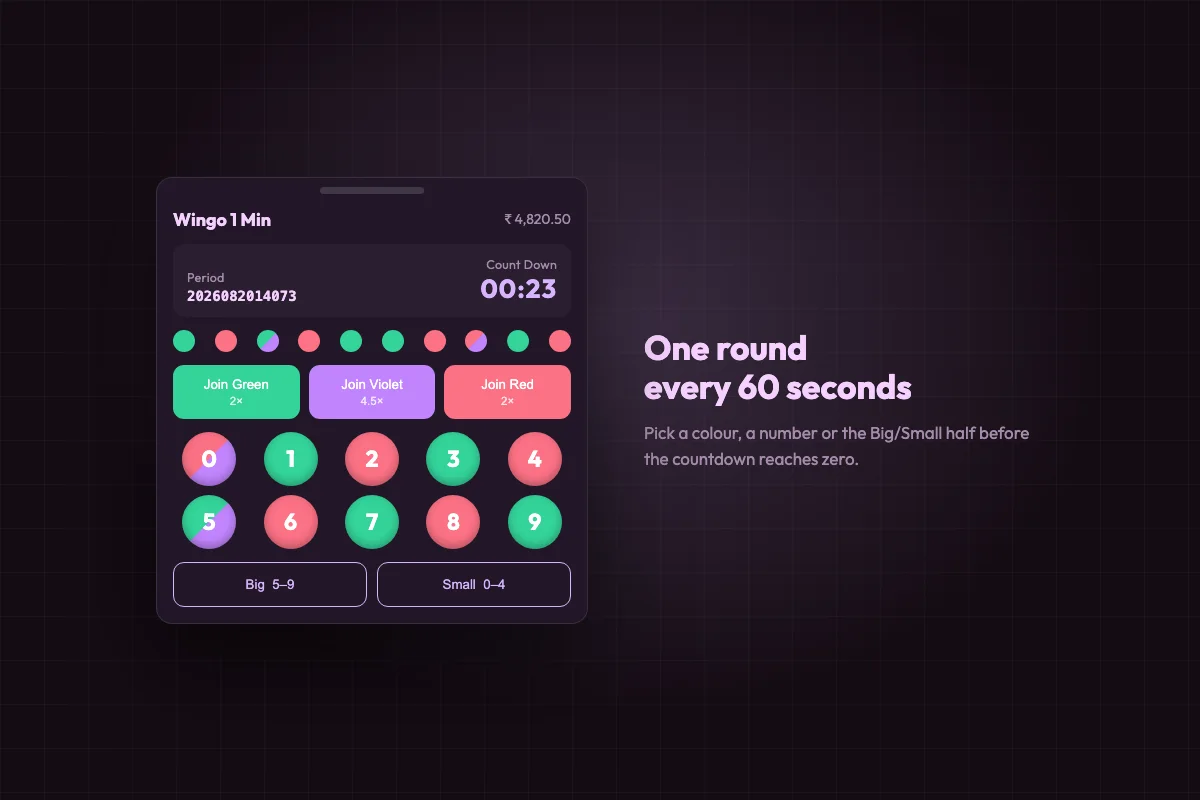
Colour prediction round board with a sixty second countdown, green, violet and red bet buttons and number balls zero to nine
FAQ

FAQ

Five questions about names and branding.

Because a name accumulates complaints and stops converting. Rebuilding under a fresh brand resets the search results without changing anything inside the package.

Not by itself — new products exist. It becomes one when a recent domain is paired with claims about years of operation or with testimonials older than the brand.

Usually not. The round is a licensed component that many operators wrap, so the game is the same and the wrapper differs.

Look for old names inside the package, artwork reused from another brand, terms pages naming a different company, or reviews dated before the domain existed.

No. Icons are trivially copied and lookalike packages match them exactly. The licence and the payee are what actually differ.

This website is for informational purposes only and is not a gambling operator: we do not accept bets or payments. 18+. Gambling involves risk and may lead to addiction — please gamble responsibly. Information (bonuses/terms/licenses) may change: check current rules on the operator’s website. We are not responsible for decisions and financial losses related to the use of third-party services.